

Affordable Car Lift Services Comparing Costs from Dubai to Abu Dhabi
January 31, 2026
Sharjah to Jebel Ali Car Lift
February 1, 2026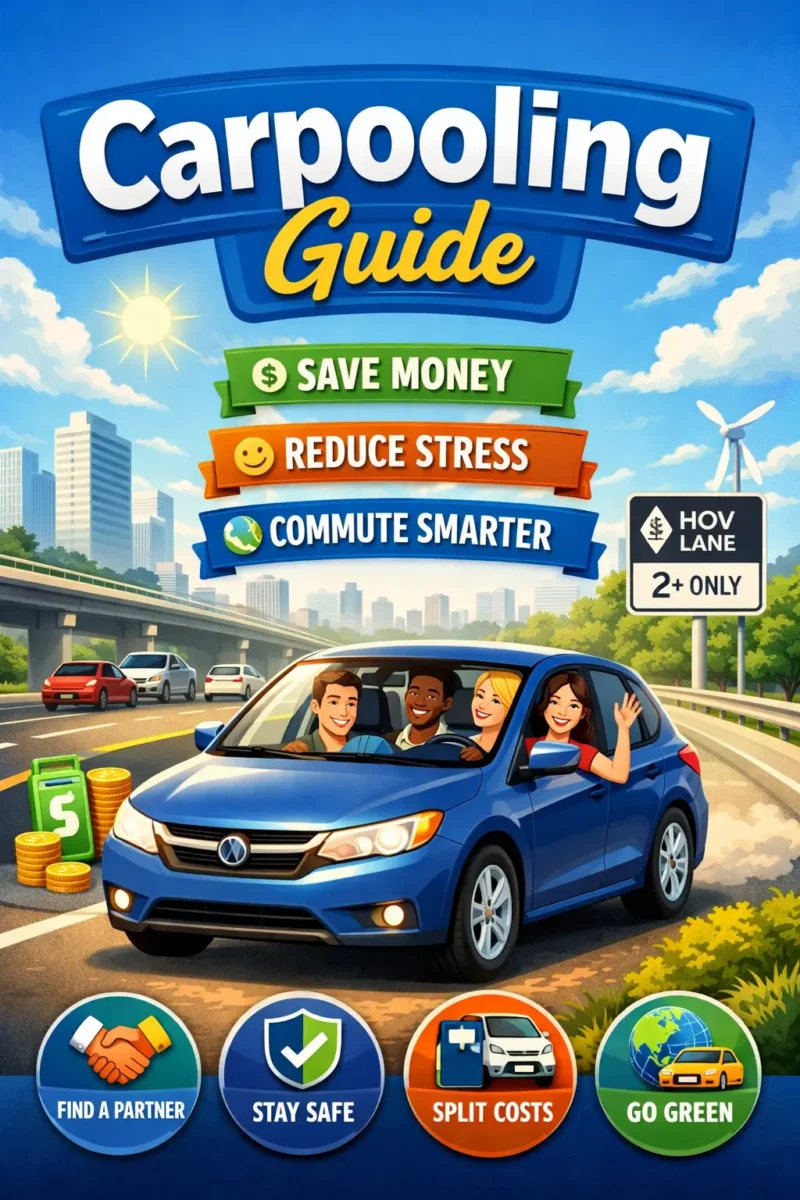
Introduction: Your Journey to a Smarter Commute Begins Here
Are you tired of the daily commute grind—the slow-moving traffic, rising fuel prices, and the feeling that you’re just one more car stuck in an endless line? You’re not alone. Millions of commuters deal with these frustrations every day, and most are looking for one simple thing: a smarter, more reliable way to get where they need to go.
Now imagine this instead: you cut your commuting costs significantly, spend less time stressing behind the wheel, reduce your carbon footprint, and even build a routine that feels more productive and less draining. That’s exactly what carpooling can offer when it’s done the right way.
This guide is designed to help you confidently understand and start carpooling—whether you’re commuting to work, school, or daily appointments. You’ll learn the essentials, the real benefits (and trade-offs), and the practical steps that make shared rides actually work in real life.
By the end, you’ll know how to:
- Find the right carpool partners and set expectations clearly
- Plan schedules and routes without confusion or delays
- Share costs fairly and keep the setup organized
- Stay safe and avoid common carpool mistakes
- Make carpooling a consistent habit that improves your commute—not complicates it
Carpooling isn’t just about sharing a ride. It’s about upgrading your everyday commute into something more affordable, efficient, and sustainable—without sacrificing reliability. If your current commute feels expensive, stressful, or simply unmanageable, shared rides could be the practical solution you’ve been looking for.
What Exactly Is Carpooling? A Clear Definition
Carpooling is a shared commuting arrangement where two or more people travel together in one vehicle for part or all of a journey—most commonly a regular commute to work, school, or a frequently visited location. Instead of each person driving separately, participants coordinate schedules, routes, and responsibilities to move efficiently toward a shared destination or purpose.
At its core, carpooling is about collaboration. Everyone involved benefits from shared costs, reduced travel stress, and fewer vehicles on the road. Unlike casual lifts or spontaneous ride requests, carpooling is typically planned in advance and follows a consistent routine.

Carpooling vs. Ride-Sharing: Understanding the Difference
Although often used interchangeably, carpooling and ride-sharing are not the same. Understanding this distinction helps commuters choose the option that best fits their needs.
Carpooling (Shared Rides)
Carpooling is usually pre-arranged and recurring. Participants often travel the same route at similar times and agree in advance on schedules, pickup points, and cost sharing. The primary focus is efficiency, affordability, and sustainability. Carpool partners may be coworkers, neighbors, classmates, or individuals matched through trusted platforms where users are vetted.
Key characteristics of carpooling include:
- Shared fuel, toll, or parking costs (not profit-based)
- Regular or semi-regular schedules
- Familiar or vetted participants
- Emphasis on reducing expenses and environmental impact
Ride-Sharing (On-Demand Services)
Ride-sharing services, such as app-based transportation platforms, are on-demand and transactional. Trips are typically one-off, booked instantly, and paid per ride. The driver is a service provider, and the relationship is commercial rather than collaborative.
Key characteristics of ride-sharing include:
- Per-trip pricing set by the platform
- Irregular or one-time journeys
- Professional or contract drivers
- Convenience-focused, not cost-sharing
Key Differences at a Glance
The main differences between carpooling and ride-sharing come down to cost structure, regularity, and relationship dynamics. Carpooling involves shared expenses and ongoing coordination among participants with similar travel needs. Ride-sharing, on the other hand, is a paid service designed for immediate convenience rather than long-term commuting efficiency.
How Carpooling Works: Step-by-Step Guide
Finding Partners & Setting Up Your Carpool
Carpooling works best when it’s treated like a simple, shared system—not an informal favor. The goal is to create a routine that is reliable, fair, and stress-free for everyone involved. Below is a clear, practical setup process you can follow whether you’re the driver, passenger, or switching roles.
Stage 1: Identify Your Needs & Potential Partners
Driver’s Action:
- Confirm your regular route, usual departure/return times, and how many seats you can comfortably offer.
- Think of people with similar commutes: coworkers, neighbors, classmates, or parents in your community.
Passenger’s Action:
- Define your route, ideal pickup/drop-off points, and the time range you can consistently commit to.
- Decide how you’ll contribute (fuel, parking, tolls, or rotating drives) and who you can reach out to.
Why this matters: Clear commute details upfront prevent mismatched expectations and unreliable arrangements later.
Stage 2: Initial Contact & Discussion
Driver’s Action:
- Reach out with a simple proposal: your general route, schedule, and what kind of carpool you’re considering (daily, 2–3 days/week, rotating drivers).
Passenger’s Action:
- Share your exact pickup location (or nearest flexible meeting point), your schedule, and any constraints (e.g., must arrive by 9:00 AM).
- Ask questions about the driver’s timing, route flexibility, and how costs will be handled.
Best practice: Keep this first conversation direct. Your goal is to confirm if you’re a realistic match—not finalize every detail yet.
Stage 3: Agreeing on Logistics & Rules
This is where strong carpools are made. A good setup eliminates confusion.
Driver’s Action:
- Confirm pickup/drop-off points that minimize detours.
- Set timing expectations (e.g., “We leave at 8:10 sharp”).
- Decide how costs will be shared (weekly, monthly, per-trip).
- Discuss basic car etiquette (music, phone calls, food, scents, cleanliness).
Passenger’s Action:
- Be clear about what you can and can’t commit to.
- Agree to timing rules and communication expectations.
- Confirm cost-sharing method and payment timing.
Expert Tip: Clearly Define Expectations
Before the first ride, agree on:
- schedule and pickup time rules
- route expectations (no last-minute detours)
- music volume or preferences
- conversation level (quiet commute vs social)
- food/drinks policy (allowed or not)
- fragrance/smoking rules (usually “no smoking”)
This avoids awkwardness later and keeps the arrangement professional.
Stage 4: First Ride & Trial Period
Treat the first week as a test run. Small adjustments early prevent bigger problems later.
Driver’s Action:
- Be on time, keep the car reasonably clean, and confirm the planned route.
- Start with the agreed pickup point and avoid experimenting with changes immediately.
Passenger’s Action:
- Be ready before the pickup time.
- Communicate clearly if something feels off (timing, route, comfort).
- Observe whether the routine feels sustainable.
Pro move: Set a trial period (e.g., “Let’s try this for 1–2 weeks and then review.”)
Stage 5: Ongoing Management & Communication
A carpool stays successful through consistency and quick communication.
Driver’s Action:
- Inform passengers early about schedule changes or days you can’t drive.
- Track cost splitting and make it simple (weekly transfer, monthly total, app-based split).
- Check in occasionally: “Is timing still working for you?”
Passenger’s Action:
- Notify the driver immediately about delays or cancellations.
- Contribute fairly and on time to the agreed costs.
- Respect the vehicle (cleanliness, behavior, and rules).
Expert Tip: Communicate Openly and Promptly
If you’re late, changing plans, or skipping a day—message as early as possible. The faster the update, the easier it is to manage without stress.
Quick Summary Table (Driver vs Passenger Actions)
| Stage | Driver’s Action | Passenger’s Action |
|---|---|---|
| Identify Your Needs | Consider route, schedule, capacity | Determine route, schedule, contribution |
| Initial Contact | Propose carpool, share route & availability | Share commute details, ask questions |
| Agree on Logistics | Finalize pickup points, timing, cost split, rules | Negotiate and confirm terms clearly |
| First Ride/Trial | Be punctual, clean car, confirm route | Be ready on time, communicate issues |
| Ongoing Management | Manage schedule updates, costs, communication | Communicate delays, pay fairly, respect vehicle |
The Multifaceted Benefits of Carpooling
A win for your wallet, your well-being, and the world around you
Carpooling isn’t just a convenient commuting option—it’s a win-win-win solution that delivers measurable financial savings, meaningful environmental impact, and real personal and community benefits. Below is a clear breakdown of how shared rides create value on multiple levels.
Financial Savings: Beyond the Fuel Tank
One of the strongest motivations for carpooling is cost reduction—but the savings go far beyond splitting gas money.
Reduced Fuel Costs
Sharing a ride means sharing fuel expenses. For regular commuters, this can cut weekly or monthly fuel costs by 30–50%, depending on how often you carpool. Over a year, that adds up to a meaningful amount of disposable income reclaimed.
Lower Vehicle Maintenance & Wear
Driving fewer miles reduces depreciation and slows wear on critical components. Fewer oil changes, longer tire life, and less strain on brakes and engines translate into lower long-term ownership costs.
Reduced Parking Costs
In many cities and workplaces, carpoolers can split parking fees or access discounted or priority parking. Some employers and municipalities actively incentivize shared commuting.
Potential Insurance Savings
Some insurers factor annual mileage into premium calculations. Reduced driving can lead to lower insurance costs, particularly for commuters who significantly cut solo trips.
Expert Insight:
“Transportation is one of the largest recurring household expenses. Reducing mileage through carpooling doesn’t just save money today—it lowers long-term vehicle and insurance costs in ways many drivers underestimate.”
— Certified Financial Planner (CFP)Economic data from transportation and labor agencies consistently shows commuting as a major household expense. Carpooling directly offsets fuel, maintenance, and depreciation costs tied to daily travel.
Unique Content Opportunity:
Interactive Commute Savings Calculator
Allow users to enter:
- Daily commute distance
- Fuel cost per liter/gallon
- Carpool days per week
- Solo vs shared driving
The tool instantly visualizes monthly and annual savings, reinforcing the financial impact.
Environmental Impact: Driving Towards a Greener Future
Carpooling is one of the simplest ways individuals can make a measurable environmental difference—without changing vehicles or lifestyles.
Reduced Carbon Emissions
Fewer cars on the road mean fewer emissions. Even a small carpool can prevent hundreds to thousands of kilograms of CO₂ from entering the atmosphere each year.
Decreased Traffic Congestion
With fewer vehicles competing for road space, traffic flows more smoothly. This reduces idle time—one of the most inefficient and polluting driving conditions.
Lower Demand for Parking Infrastructure
Carpooling reduces the need for large parking facilities, freeing up valuable urban space for green areas, housing, and community use.
Research from environmental protection agencies and urban planning authorities consistently links carpooling with lower per-capita emissions and improved air quality in dense commuting corridors.Differentiation Opportunity:
Environmental Impact Infographic or Interactive Chart
Show:
- CO₂ reduction per carpool
- Number of cars removed from roads
- Annual emissions saved at scale (e.g., 10%, 25%, 50% adoption)
Unique Content Element:
Carbon Footprint Reduction Calculator
Users compare:
- Solo driving emissions
- Carpool emissions
This makes sustainability visible, personal, and motivating.
Personal & Community Advantages: More Than Just a Ride
Beyond money and emissions, carpooling improves daily life in ways commuters often don’t expect.
Reduced Stress & Improved Well-Being
Sharing driving duties eases mental fatigue. Passengers can relax, while drivers benefit from shared responsibility and predictable routines—leading to calmer, less stressful commutes.
Social Connection & Networking
Carpooling creates natural opportunities for conversation, relationship-building, and professional networking. Many commuters report stronger workplace and neighborhood connections as an unexpected bonus.
Increased Productivity
Passengers can use commute time for reading, planning, or light work—turning “lost time” into productive or restorative moments.
Stronger Communities
Regular shared rides foster cooperation and trust. Over time, this contributes to a stronger sense of community and better traffic conditions for everyone, even those who don’t carpool.
Carpooling Benefits at a Glance
Benefit Type Individual Impact Environmental Impact Community Impact Financial Major savings on fuel, maintenance, parking N/A N/A Time & Stress Less driving stress, more productive time N/A Reduced congestion Environmental Lower personal carbon footprint Reduced emissions, cleaner air Less urban sprawl Social & Community New connections, improved mood N/A Stronger local bonds
Carpooling succeeds because it aligns personal incentives with collective benefits. You save money, reduce stress, help the environment, and contribute to better traffic conditions—all through one practical habit change.
Addressing the Challenges: Common Carpooling Problems & Practical Solutions
Carpooling works best when it’s treated like a shared system with clear rules, not a casual arrangement. Most issues are predictable—and the good news is, they’re also preventable. Here are the most common carpooling problems commuters face, along with solutions that keep your shared ride reliable, respectful, and low-stress.
Navigating Scheduling Conflicts & Delays
Problem
Mismatched schedules, unexpected overtime, meetings running late, personal appointments, or family responsibilities can disrupt pickup times and create frustration—especially when others are waiting.
Solution
- Set flexibility boundaries upfront: Decide what “flexible” means for your carpool (e.g., “I can wait up to 5 minutes” or “I can only carpool Tue–Thu”).
- Use a shared communication channel for real-time updates: Create a dedicated group chat to quickly share delays, changes, or cancellations via WhatsApp or Telegram.
- Agree on a “grace period” and a no-show protocol: For example:
- Grace period: 5–10 minutes max
- If someone is late: they must message by a specific time
- No response = driver leaves at the planned time (no guilt, no confusion)
Expert Tip: Have a Backup Plan
Always know what you’ll do if the carpool falls through—public transport, a temporary ride-share, a colleague, or even an occasional solo drive. A backup plan removes panic and prevents resentment.
Overcoming Compatibility Issues
Problem
Even when schedules match, people don’t always. Common friction points include music preferences, conversation levels, temperature, punctuality, strong fragrances, or habits like eating in the car.
Solution
- Discuss expectations before the first ride: Keep it simple but specific—this is where most problems are prevented.
- Create “comfort rules” that everyone agrees to: Examples:
- “No eating hot/strong-smell foods in the car”
- “Calls only with headphones”
- “Quiet ride on mornings” or “social ride is okay”
- Aim for mutual respect + compromise: The goal isn’t to “win,” it’s to build a routine that feels fair and comfortable.
Expert Tip: Clearly Define Expectations
Before you begin, agree on schedules, routes, music, conversation level, phone calls, and any hard rules (like no smoking). Clarity early avoids awkwardness later.
Trial Period Recommendation
Try a 1–2 week trial and then review: “Is timing working? Any discomfort? Any changes needed?” This keeps feedback normal and non-personal.
Managing Last-Minute Cancellations
Problem
A partner cancels unexpectedly, leaving others stranded or scrambling—especially if the carpool is someone’s primary commute plan.
Solution
- Set a minimum notice policy: Example: “Notify by 9 PM the night before” or “At least 60 minutes before pickup unless it’s an emergency.”
- Encourage early warnings, not last-second apologies: A heads-up is more valuable than a sorry message after the fact.
- Build a small backup network: If possible, have 1–2 alternate contacts who commute similarly (even if it’s only for emergencies).
Expert Tip: Have a Backup Plan
This is essential here. Carpooling should reduce stress—not create a situation where one cancellation ruins your day.
Handling Disagreements or Conflict
Problem
Disputes may arise over routes (“take the highway vs. local roads”), costs (“who pays what”), or behavior (“music too loud,” “too many stops,” “lateness”). If ignored, small issues become deal-breakers.
Solution
- Address issues early, calmly, and directly: Use neutral language like, “Can we adjust the pickup time?” or “Let’s revisit the cost split so it feels fair.”
- Refer back to your original agreement: This keeps the conversation objective instead of personal.
- Make one change at a time and test it: Change route first, then review before changing pickup rules too.
- If it’s not working, end it professionally: “This arrangement isn’t fitting my schedule anymore, but I appreciate the rides.” A clean exit avoids resentment.
(Trust & User Well-being)
A good carpool guide should acknowledge real concerns—punctuality, fairness, personal comfort, and reliability—then offer realistic solutions. The most successful carpools aren’t perfect; they’re simply clear, respectful, and consistent.
Finding Your Perfect Carpool Partner: Platforms & Strategies
Finding the right carpool partner is one of the most important factors in making shared commuting successful. The good news is that today’s commuters have multiple reliable ways to connect with compatible partners—ranging from purpose-built apps to workplace programs and trusted personal networks. The key is knowing where to look and how to start smart.
Leveraging Dedicated Carpooling Apps
Carpooling apps are designed to remove guesswork by matching commuters based on routes, schedules, and preferences. They are especially useful if you don’t already have colleagues or neighbors with similar commutes.
What These Platforms Offer
Dedicated carpooling platforms typically provide:
- User profiles with verification and reviews for trust and accountability
- Route-matching algorithms to minimize detours
- In-app messaging for coordination before and after rides
- Cost-splitting or payment features to keep things simple and transparent
Expert Tip: Start Small and Local
Before committing to a large platform or unfamiliar partners, begin with people you already know—friends, coworkers, or neighbors. This builds confidence and helps you understand what works best for you before expanding your carpool network.
Employer & Community Programs
Many successful carpools begin through formal workplace or community-supported initiatives. These options often come with built-in incentives and higher reliability.
Workplace Carpool Programs
Many employers offer:
- Internal carpool matching tools
- Preferred or discounted parking for carpools
- Transportation subsidies or commuter benefits
Expert Tip: Explore Employer Incentives
Check with your HR or operations department. Some organizations quietly offer valuable carpool perks that significantly improve convenience and savings.
Universities & Colleges
Educational institutions often maintain:
- Online carpool boards for students, faculty, and staff
- Campus-based ride-matching portals
- Sustainable commuting initiatives tied to parking access
These programs are especially effective because participants typically share predictable schedules and destinations.
Local Government Initiatives
In some regions, city or regional authorities support carpooling through:
- Public carpool matching websites
- High-occupancy vehicle (HOV) lanes
- Reduced tolls or parking incentives
Local government transport websites are a good place to check for officially supported options.
Community Bulletin Boards
Traditional notice boards—both physical and online—still work well in residential areas, apartment complexes, and community centers. These options are simple but effective for hyper-local commuting needs.
Social Networks & Word-of-Mouth
Sometimes the most reliable carpool partners are already in your extended circle.
Trusted Circles
Friends, family members, neighbors, and coworkers offer:
- Higher trust and accountability
- Easier communication
- Greater flexibility during schedule changes
These connections often lead to the most stable, long-term carpools.
Social Media & Local Groups
Local community groups on platforms like Facebook can help you find nearby commuters. While effective, they require extra caution:
- Verify identities before committing
- Start with short trial arrangements
- Avoid sharing personal details too quickly
Choosing the Right Path Forward
There’s no single “best” way to find a carpool partner—the right approach depends on your comfort level, commute consistency, and location. Many successful commuters combine methods: starting with trusted contacts, then expanding through apps or workplace programs as needed.
The goal isn’t just to find any partner—it’s to find one that aligns with your schedule, expectations, and commuting style. When that fit is right, carpooling becomes not just workable, but genuinely enjoyable.
If you’d like, I can continue with:
- Safety & trust-building best practices when carpooling
- How to evaluate a potential carpool partner before committing
- A step-by-step checklist for choosing the right platform
Safety First: Essential Tips for Secure Carpooling
Carpooling can be safe, reliable, and stress-free—but only when clear safety practices and etiquette are in place. Whether you’re joining a new carpool or refining an existing one, the guidance below focuses on practical risk reduction, clear communication, and mutual respect—so everyone arrives safely and comfortably.
Vetting Potential Carpool Partners
Initial Screening
Before committing to a shared ride:
- Review complete profiles on carpooling platforms (photos, verification badges, reviews).
- Look for mutual connections (coworkers, classmates, neighbors) when possible.
- Ask clarifying questions about schedules, routes, and expectations—vague answers are a red flag.
First Meet-Up
Expert Tip: Prioritize Safety
- For new partners, meet in a public place (café, campus common area, workplace lobby).
- Consider a short coffee or quick chat before the first ride to align on timing, comfort, and rules.
Personal Information
- Share only what’s necessary at first (first name, pickup location, schedule).
- Avoid oversharing personal details until trust is established.
On-Ride Safety Protocols
Share Travel Plans
Expert Tip: Prioritize Safety
- Tell a trusted friend or family member your carpool details (partner names, route, pickup time, ETA).
- If your carpool app offers trip sharing or live tracking, use it.
Use In-App Safety Features
- Enable GPS tracking, emergency buttons, and post-ride ratings when available.
- Ratings and reports help maintain accountability and improve platform safety.
Trust Your Instincts
- If something feels off—behavior, route changes, communication—politely decline or arrange an alternative.
- Safety always outweighs convenience.
Note: A responsible carpool guide addresses risks openly and offers balanced, fact-based precautions—not blind promotion. Your comfort and well-being come first.
Carpool Etiquette & Best Practices
Punctuality: Respecting Everyone’s Time
Be ready a few minutes early, whether you’re driving or riding.
Communicate delays immediately—early notice matters more than apologies.
Agree on a grace period (e.g., 5–10 minutes). If there’s no message by the cutoff, the car leaves.
Expert Tip: Be Punctual
Reliability is the foundation of a successful carpool.
Vehicle Cleanliness & Respect
Driver’s Responsibility
- Keep the car clean and tidy.
- Ensure enough space for passengers and belongings.
Passenger’s Responsibility
- Leave no trash behind.
- Avoid messy foods/drinks.
- Minimize strong scents (perfume, food).
Expert Tip: Maintain Vehicle Cleanliness
A clean, neutral environment keeps everyone comfortable and reduces friction.
Communication & Ride Atmosphere
- Agree on preferences early: music volume/genre, conversation level, phone calls.
- Respect quiet time when someone needs focus or rest.
- Address small issues early and respectfully to prevent escalation.
Clear rules and open feedback create predictability—key to long-term trust.
Checklist: Setting Carpool Rules (Copy & Use)
- Punctuality & Grace Period: Maximum wait time before departure
- Communication Protocol: How to notify delays/cancellations (group chat, app)
- Music/Radio Preferences: Genres, volume, or quiet rides
- Food/Drink Policy: Allowed or restricted
- Temperature Control: How it’s decided
- Route Deviations: Acceptable detours for stops
- Cost-Sharing Method: (covered in the next section)
- Backup Plans: What happens if a driver or passenger cancels?
Bottom Line
Safe carpooling isn’t complicated—it’s intentional. Vet partners carefully, use available safety tools, communicate clearly, and agree on rules upfront. When safety and etiquette are prioritized, carpooling becomes not only secure but genuinely enjoyable.
Cost Sharing & Payment Logistics
Keeping carpool finances fair, transparent, and stress-free
One of the biggest reasons carpools succeed—or fail—is how costs are handled. A clear, agreed-upon system removes awkwardness, prevents resentment, and keeps the focus on convenience rather than calculations. Below are practical, proven ways to split costs fairly, along with tools that make payment management effortless.
Methods for Splitting Costs
There’s no one-size-fits-all approach. The best method depends on distance, driving frequency, and flexibility among carpool members.
Equal Split
This is the simplest option: total commuting costs are divided evenly among all participants.
Best for:
- Carpools where everyone travels similar distances
- Fixed schedules with minimal detours
Limitations:
- Can feel unfair if one person rides only part of the route or joins fewer days
Per-Mile Calculation
Costs are split based on the distance each passenger travels. This approach is more precise and often perceived as the fairest.
Best for:
- Carpools with varied pickup/drop-off points
- Situations where some passengers travel shorter distances
Expert Tip: Fair Cost-Sharing
When possible, base contributions on mileage rather than fuel alone. This better reflects real costs, including wear and tear—not just gas usage.
Driver Compensation (Fuel & Wear)
In carpools where one person drives most or all of the time, passengers typically contribute toward:
- Fuel
- Tolls
- Parking
- A small allowance for vehicle wear (optional but reasonable)
This keeps the arrangement sustainable for the driver without turning it into a paid service.
Rotation System
Each participant takes turns driving their own vehicle on a set schedule.
Best for:
- Carpools where all members own cars
- Groups with similar schedules and routes
Pros:
- Automatically balances fuel and wear costs
- Minimal payment tracking required
Consideration:
- Requires consistent reliability from all drivers
Tools for Easy Payment Management
Using the right tools makes cost sharing simple, transparent, and drama-free.
Payment & Expense-Splitting Apps
- Splitwise
Ideal for tracking shared expenses over time and settling balances monthly or weekly. - Venmo
Quick and convenient for direct payments between carpool members. - PayPal
Useful for cross-platform or international payments with clear transaction records.
Dedicated Carpooling Apps
Many carpool platforms include built-in payment or cost-splitting features, automatically calculating contributions based on trips taken.
Simple Spreadsheet or Ledger
For those who prefer manual control:
- A basic spreadsheet or shared note
- Track dates, miles, fuel costs, and payments
- Works well for small, consistent carpools
Best Practices for Smooth Cost Management
- Agree on the method before the first ride
- Set a payment schedule (weekly or monthly works best)
- Keep records visible to everyone involved
- Review costs occasionally if routes, fuel prices, or schedules change
Transparency builds trust—and trust keeps carpools running smoothly.
Bottom Line
Fair cost sharing isn’t about perfection—it’s about clarity and consistency. When everyone understands how costs are calculated and paid, carpooling becomes simpler, more reliable, and far more enjoyable.
Legal and Insurance Considerations for Carpoolers
General information only — not legal advice. Policies and laws vary by country/state/province, so confirm details with your insurer and local authorities.
Carpooling is usually straightforward from an insurance standpoint when it’s truly “cost-sharing” (splitting fuel/tolls/parking) rather than a profit-making service. The complications typically appear when payments start to look like “for-hire” driving, or when the car is driven regularly by someone not properly covered under the policy.
Understanding Your Auto Insurance Policy
1) Personal-use coverage: carpooling is often included (when it’s expense-sharing)
Most personal auto policies are designed for everyday driving, including commuting—and many policy wordings distinguish between “share-the-expense” carpools and “for-hire” driving. Industry guidance notes that “livery/public conveyance” exclusions often do not apply to share-the-expense carpools.
What this means in practice:
If you’re simply splitting reasonable trip costs (fuel, tolls, parking), your carpool is more likely to be treated as personal use, not commercial.
2) Commercial/“for-hire” exclusions: where people get caught
Personal policies commonly exclude coverage when the vehicle is used as a taxi/livery or when the driver is receiving compensation beyond expense sharing. NAIC consumer guidance explains that personal policies may not cover ride-for-fee situations, and regulators have warned coverage can be denied when payment goes beyond “share-the-expense” levels.
Practical rule of thumb:
- ✅ OK: splitting fuel/tolls/parking fairly
- ⚠️ Risky: charging extra to “make money” per seat, especially consistently
3) Liability basics: whose insurance applies first in a crash?
In many jurisdictions (not all), insurance follows the vehicle, so the vehicle owner/driver’s policy is typically primary if there’s an accident, and another driver’s policy may apply secondarily if limits are exceeded.
Passenger awareness: Passengers may have access to coverage through the driver’s policy (and/or their own coverage depending on local rules), but the exact path depends on fault, local no-fault rules, and policy types.
4) If you rotate drivers or let others drive your car
If your carpool arrangement includes sharing the wheel, confirm that:
- Your policy allows permissive drivers (people driving your car with permission)
- Any regular drivers (especially household members) are properly listed if required
Insurers can deny claims in some cases where a required regular driver isn’t disclosed.
5) Reporting accidents: keep it clean and factual
If an incident occurs during a carpool:
- Follow the usual steps (safety first, emergency services if needed, exchange details, photos, witnesses)
- Report promptly per your policy requirements
- Be clear that it was a cost-sharing carpool (if true), not a paid-for-hire service
Local Regulations and Employer Policies
Local laws & incentives
Rules can vary by location—some areas offer incentives like HOV lanes, reduced tolls, or preferred parking, while others have specific definitions around “for-hire” transport. Because these details change by jurisdiction, it’s worth checking your local transport or insurance regulator resources.
Employer policies (if carpooling to work)
Many employers offer:
- Preferred carpool parking
- Incentives/subsidies
- Internal matching programs
Also, some workplaces have guidelines around safety, conduct, and pickup/drop-off zones.
Quick Reference Table
| Consideration | Driver’s Responsibility | Passenger’s Awareness |
|---|---|---|
| Personal insurance | Confirm policy covers commuting + expense-sharing carpools | Understand driver/vehicle policy is usually primary |
| Commercial use | Avoid profiting beyond shared costs | Know “for-hire” can change coverage |
| Liability in an accident | Know your limits, deductibles, and claim steps | Medical coverage path varies by jurisdiction/policy |
| Reporting accidents | Follow policy reporting rules; document clearly | Cooperate, provide accurate info |
| Local regulations | Check local definitions/incentives | Know rules may affect lanes/parking |
| Employer policies | Follow workplace program requirements | Follow workplace program requirements |
“5-Minute Insurance Check” Script (what to ask your insurer)
When you call or email your insurer, keep it simple:
- “I’m carpooling to work and splitting expenses only (fuel/tolls/parking). Is this covered under my personal policy?”
- “If I rotate driving with another person, are they covered as a permissive driver? Do they need to be listed?”
- “Are there any restrictions if I use a carpool platform/app?”
- “Does reduced mileage affect my premium or reporting requirements?”
Expert Tip: Consider Insurance Implications
A quick check with your insurer is especially important if you carpool frequently or receive payments regularly—even if it’s only expense sharing.
Carpooling vs. Other Transport Options: A Comparative Look
Choosing the right way to commute isn’t about finding a perfect option—it’s about finding the one that best balances cost, convenience, sustainability, and stress for your daily reality. Below is a clear, balanced comparison to help you decide where carpooling fits among common transport choices.
Solo Driving
Pros
- Complete flexibility in timing and route
- Full privacy
- Direct, door-to-door travel
Cons
- Highest overall cost (fuel, maintenance, parking, depreciation)
- Highest environmental impact per person
- Daily traffic stress and parking challenges
- Inefficient use of road space (one person per car)
Best for:
People with highly irregular schedules or remote routes where shared options aren’t practical.
Public Transport (Bus, Train, Metro)
Pros
- Environmentally friendly and energy-efficient
- Often cost-effective for regular commuters
- No driving or parking stress
- Allows reading, work, or rest during travel
Cons
- Fixed routes and schedules
- Overcrowding during peak hours
- Limited reach in suburban or low-density areas
- Transfers can increase travel time
Best for:
Urban commuters with access to reliable, frequent transit lines and predictable schedules.
Ride-Sharing Services (e.g., Uber, Lyft)
Pros
- On-demand convenience
- Door-to-door service
- No personal vehicle required
Cons
- High per-trip cost, especially for daily commuting
- Usually still one passenger per vehicle
- Less sustainable for regular use compared to carpooling
- Surge pricing can reduce reliability and affordability
Best for:
Occasional trips, late-night travel, or situations where other options aren’t available.
Cycling / Walking
Pros
- Zero emissions
- Very low cost
- Strong physical and mental health benefits
- Often faster in dense city centers
Cons
- Weather dependent
- Physical effort required
- Limited range
- Safety concerns in traffic-heavy areas
Best for:
Short-distance commutes in bike- or pedestrian-friendly environments.
Why Carpooling Stands Out
Carpooling occupies a unique middle ground between private driving and mass transit.
Hybrid Benefits
- Cost savings similar to public transport through shared expenses
- Lower emissions per person compared to solo driving
- More flexibility than buses or trains
- More predictable and affordable than daily ride-sharing
Community & Efficiency
Carpooling reduces the number of vehicles on the road, which helps ease congestion and improves travel times for everyone. At the same time, it encourages social connection—something missing from most other commute options.
Perspective
Transportation agencies consistently highlight carpooling as an effective way to reduce congestion and emissions without requiring new infrastructure. Fewer cars, higher occupancy, and shared responsibility make it one of the most scalable commuter solutions available today.
At-a-Glance Comparison
| Factor | Carpooling | Solo Driving | Public Transport | Ride-Sharing |
|---|---|---|---|---|
| Cost | Low (shared expenses) | High (fuel, maintenance, parking) | Low–Moderate (fares) | High (per trip) |
| Environmental Impact | Low (reduced emissions per person) | High | Very low | Moderate |
| Flexibility | Moderate (pre-arranged) | High | Low | High |
| Convenience | Moderate (pickup points) | High | Moderate (stops/transfers) | High |
| Social Aspect | High | Low | Moderate | Low |
| Stress Level | Low–Moderate | High | Low | Low |
The Bottom Line
Carpooling isn’t meant to replace every transport option—it’s meant to optimize daily commuting. It delivers a rare combination of affordability, flexibility, sustainability, and human connection that most alternatives only offer in isolation.
For commuters who want to reduce costs and stress without giving up convenience, carpooling consistently proves to be one of the most balanced and practical choices.
If you’d like, I can wrap this guide with a decision framework (“Is Carpooling Right for You?”) or a quick comparison flowchart readers can use to choose their best commute option.
Future of Carpooling: Trends & Innovations
Carpooling is evolving from “two coworkers sharing a ride” into a data-driven, tech-enabled mobility layer that cities and employers can plug into. Three forces are shaping what comes next: smarter matching, stronger policy signals, and the rise of autonomous/shared fleets.
Technology & Smart City Integration
AI-powered matching gets more precise
The next generation of carpool platforms is moving beyond simple “same route, same time” matching. AI is increasingly used to improve:
- compatibility (schedule reliability, preferences, past behavior)
- multi-stop carpools (efficient pickup ordering)
- occupancy optimization (filling more seats without adding delay)
This matters because better matching reduces the biggest pain points—detours, awkward pairings, and unreliable routines—which are common reasons carpools fail.
Dynamic routing becomes “commute-aware”
Expect more carpools to behave like “live logistics”: routes and pickup times can adjust in real time based on congestion, road closures, or late notifications—similar to how navigation apps respond to traffic minute-by-minute. (AI route optimization for shared trips is a well-studied direction in ridesharing systems.)
Smart-city integration is the bigger unlock
As cities invest in connected infrastructure, carpooling data can support:
- identifying congestion hotspots and peak-direction demand
- deciding where HOV/HOT lanes, park-and-ride lots, or pickup zones are most valuable
- measuring emissions impact from higher vehicle occupancy
Important correction: Waze Carpool is no longer active—it was officially retired in 2022. So while “real-time traffic integration” is a strong idea, it’s now more relevant as a design pattern for other carpool tools rather than a current product feature.
Policy & Incentives
Policy often determines whether carpooling feels like a “nice-to-have” or a “no-brainer.”
Dedicated lanes and priority access
High-occupancy vehicle lanes (HOV) and the evolution toward high-occupancy/toll lanes (HOT) continue to be a major lever. Research and policy analysis frequently frame these as tools to increase occupancy and manage congestion, though design details (enforcement, eligibility, pricing) determine whether they work well.
Subsidies, tax benefits, and employer incentives
Governments and employers increasingly bundle commute benefits—parking incentives, commuter subsidies, and shared-mobility supports—because shifting even a small share of commuters away from solo driving can improve peak-hour performance.
Congestion pricing makes carpooling more attractive
When a city charges more to drive solo into congested zones, carpooling becomes a direct financial counter-move: share the ride, split the cost, reduce per-person impact. Recent economic research continues to examine how congestion pricing interacts with carpooling behavior and commuter welfare.
Expert insight you can include (writer-friendly angle):
A transportation policy expert viewpoint often emphasizes that “the future of congestion management isn’t just building more lanes—it’s using existing road capacity better,” and higher vehicle occupancy is one of the most scalable ways to do that.
Autonomous Vehicles & Shared Fleets
Autonomous carpools aren’t sci-fi anymore—but timelines vary
The most realistic near-term path isn’t “everyone owns a self-driving car.” It’s shared autonomous fleets (robotaxis, shuttles, employer fleets) that can operate on defined routes and gradually expand.
- Research reviews highlight potential sustainability gains from shared autonomous vehicles (SAVs)—but also warn outcomes depend on policy, pricing, and whether autonomy increases total miles traveled.
- Public agencies are actively studying real-world autonomous shuttle deployments, including benefits, challenges, and use cases—signaling steady institutional movement toward shared automated mobility.
- Commercial pilots are accelerating: for example, reported partnerships and trials in Europe point toward 2026 as a meaningful milestone for driverless ride-hailing experimentation.
Company-owned commute fleets could grow
Employers looking to stabilize hybrid-work commuting may invest in:
- subscription-style shared commute services
- shuttle + carpool “last mile” integrations
- managed pickup hubs near transit nodes
This is where carpooling becomes part of a broader “mobility benefits” package—less about ad-hoc rides, more about commute reliability.
Differentiation idea: a timeline visual that makes the future feel concrete
[Infographic suggestion: Timeline of carpooling evolution]
- Early carpooling: informal, word-of-mouth coordination
- App era: matching + messaging + payments
- Smart routing: dynamic pickup optimization + traffic-aware carpools
- Policy era: congestion pricing + HOV/HOT expansion + employer benefits
- Autonomous/shared fleets: SAVs + robotaxi corridors + corporate commute fleets
This helps readers “see” where we are and what’s likely next.
Differentiation idea: a timeline visual that makes the future feel concrete
[Infographic suggestion: Timeline of carpooling evolution]
- Early carpooling: informal, word-of-mouth coordination
- App era: matching + messaging + payments
- Smart routing: dynamic pickup optimization + traffic-aware carpools
- Policy era: congestion pricing + HOV/HOT expansion + employer benefits
- Autonomous/shared fleets: SAVs + robotaxi corridors + corporate commute fleets
This helps readers “see” where we are and what’s likely next.
Conclusion: Your Journey to a Smarter Commute
Carpooling stands out as one of the most practical ways to improve daily commuting—without sacrificing reliability or convenience. By sharing rides, commuters can significantly reduce costs, lower their environmental impact, ease daily stress, and build stronger social and community connections. Few transport options deliver benefits so clearly across personal, financial, and societal levels.
More importantly, carpooling puts control back in your hands. You don’t need to wait for new infrastructure or policy changes to get started. Your first step can be simple: explore a carpooling app, start a conversation with a colleague or neighbor, or take a few minutes to define what kind of commute works best for you.
Carpooling isn’t just about getting from point A to point B. It’s a conscious choice to travel smarter—one that supports sustainability, affordability, and human connection at the same time. Start your smarter commute today, and turn every shared ride into a step toward a better everyday journey.