
Introduction: Navigating Shared Spaces with Confidence
Life in the UAE moves at a vibrant and fast pace, often requiring us to share spaces—whether it’s an informal car lift with colleagues, a ride-hailing service, or even a crowded elevator in a high-rise. These shared journeys make daily life more convenient, but they also bring people from different backgrounds together in close quarters.
For many residents and visitors, this can feel uncertain. Questions arise: What’s the proper way to split costs in a car lift? How do you politely handle a loud co-passenger? What steps should you take to ensure your safety? Without clear guidance, small moments of confusion can turn into unnecessary stress or social discomfort.
This guide is designed to take away that uncertainty. It’s your roadmap to mastering car lift and passenger lift etiquette in the UAE. By understanding the unspoken rules and cultural values that shape shared travel, you’ll move through these journeys with confidence, respect, and ease. Whether you’re commuting between emirates for work or simply riding an elevator with neighbors, these insights will help transform potential friction into smooth, courteous, and harmonious experiences.
Understanding Shared Journeys in the UAE: Context and Customs
What Exactly is a ‘Car Lift’ in the UAE?
In the UAE, the term car lift is commonly used to describe informal carpooling arrangements. This usually happens between colleagues, neighbors, or community members traveling similar routes—for example, daily commutes between Dubai and Sharjah or Abu Dhabi. These are often organized through word-of-mouth, WhatsApp groups, or community connections.
On the other hand, formal ride-hailing services such as Careem, Uber, and licensed taxis are fully regulated by the Road and Transport Authority (RTA). They operate under strict rules, ensuring passenger safety, fair pricing, and proper insurance coverage.
Important Distinction: While informal car lifts are popular and sometimes necessary, they exist in a legal grey area. Accepting payment for unlicensed rides beyond cost-sharing may carry risks, both for the driver and passenger. Understanding these nuances protects you from potential fines and ensures safer, more reliable travel.
Prevalence and Necessity
Car lifts are not just a convenience—they are often a necessity. Long daily commutes between emirates, coupled with high transport costs, make shared rides a lifeline for many workers and expatriates. For some households without private vehicles, these arrangements are the only feasible option to balance time, money, and energy.
This reality highlights why car lifts are deeply embedded in UAE’s commuting culture. They are more than just rides—they represent community support and collective problem-solving.
Briefly on Passenger Lifts (Elevators)
While different from road travel, elevator etiquette also reflects similar values of respect and consideration. Whether in residential towers, shopping malls, or offices, elevators are shared spaces where small gestures—like allowing others to exit first—make a big difference in creating harmony.
The Importance of Etiquette in a Diverse Society
The UAE is home to people from over 200 nationalities, each bringing unique customs and habits. In such a multicultural environment, good etiquette isn’t just polite—it’s essential for harmony.
Fostering Harmony and Respect
When people share a car or an elevator, they step into each other’s personal space. Practicing etiquette ensures comfort for everyone and minimizes friction in these close quarters.
Reflecting Broader UAE Values
Respect, hospitality, and consideration are pillars of Emirati culture. Observing etiquette in shared spaces is not only practical—it’s a way of aligning with the values of the society you’re living in.
Avoiding Misunderstandings and Social Faux Pas
Unclear expectations often cause anxiety. By knowing the do’s and don’ts, you reduce the risk of accidentally offending someone and instead create smoother, friendlier interactions.
The Golden Rules: Do’s of Car Lift & Passenger Lift Etiquette in the UAE
Punctuality and Communication
- Be On Time: Arrive a few minutes before the scheduled pick-up. Everyone’s time is valuable.
- Communicate Delays Immediately: If you’re running late, inform your driver or co-passengers politely and share an updated arrival time.
- Confirm Destination and Fare: Always clarify the fare and destination upfront. A quick check on Google Maps ensures clarity.
Personal Space and Hygiene
- Maintain Personal Space: Avoid unnecessary physical contact. Sit comfortably without encroaching on others.
- Prioritize Hygiene: Ensure you are clean and avoid heavy perfumes or colognes in confined spaces.
- Keep the Space Clean: Take your belongings and dispose of trash responsibly. Leave the car or elevator as you found it.
Respectful Interaction and Conversation
- Keep Conversations Respectful: Avoid politics, religion, or divisive topics. Polite small talk is enough.
- Mind Your Volume: Keep phone calls and conversations at a moderate level. Use headphones for music or videos.
- Ask Permission for Adjustments: Always check with the driver before adjusting air conditioning, windows, or the radio.
Payment and Fairness
- Pay Promptly: Offer the agreed fare without needing reminders. Carry small change or be ready for digital transfer.
- Stick to Agreements: Never renegotiate the fare once the journey begins.
General Courtesy in Passenger Lifts
- Allow Others to Exit First: Step aside and wait for passengers to come out before entering.
- Face the Door: A subtle but respectful gesture.
- Don’t Hold Doors Unnecessarily: Be considerate of others’ time.
Actions to Avoid: Don’ts of Car Lift & Passenger Lift Etiquette
Disruptive Behavior
- No loud phone calls, music, or videos.
- Avoid eating food with strong smells.
- Do not criticize the driver’s skills unless safety is at risk.
Disrespecting Boundaries
- Never touch others’ belongings.
- No littering inside the car or elevator.
- Avoid unsolicited comments on appearance or lifestyle.
- No smoking or vaping in shared spaces.
Sensitive Topics
- Avoid politics, religion, or gossip.
- Refrain from negative commentary.
Aggressive Conduct
- Don’t complain excessively.
- Don’t rush others while entering or exiting.
- Avoid impatient gestures or road behavior.
Quick Reference: Car Lift Etiquette Do’s & Don’ts
| Do’s | Don’ts |
| Be punctual and communicate delays | Arrive late without notice |
| Confirm fare and destination before ride | Argue about fare mid-journey |
| Maintain hygiene and avoid strong scents | Neglect hygiene or wear overpowering perfumes |
| Keep conversations polite and quiet | Talk loudly or disturb others |
| Ask before adjusting settings | Change AC, windows, or radio without asking |
| Pay promptly as agreed | Delay or haggle over payment |
| Allow others to exit elevators first | Block doors or rush |
| Keep vehicle/elevator clean | Litter or leave belongings |
| Use polite Arabic greetings | Be rude or dismissive |
| Respect personal space | Invade others’ privacy |
Deep Dive into UAE Cultural Sensitivity
Understanding Privacy and Modesty
Respect for personal space is highly valued. Avoid sitting too close, staring, or making prolonged eye contact, especially with the opposite gender. Modesty in interaction reflects UAE’s conservative cultural norms.
Dress Code Awareness
While not directly tied to car lifts, dressing modestly in public demonstrates respect for local culture and prevents discomfort.
Respect for Elders and Authority
- Offer your seat to elderly passengers.
- Address elders with polite titles.
- Treat drivers respectfully—they are responsible for the vehicle.
Hospitality and Politeness
- Use basic Arabic greetings like Assalamu Alaikum (peace be upon you) and Shukran (thank you).
- A polite tone and calm demeanor create a positive environment for all.
Prioritizing Your Safety in Shared Transport
Before You Ride: Passenger Checklist
- Verify driver and vehicle details.
- Share your trip details with a trusted contact.
- Keep your phone charged.
- Know your drop-off location and track the route on Google Maps.
- Confirm fare in advance.
- Carry small change or be ready for digital payment.
During the Journey
- Stay alert and aware of surroundings.
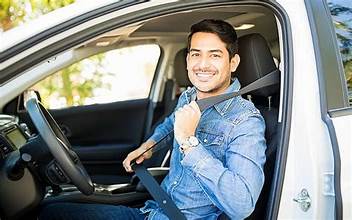
- Always wear a seatbelt—it’s both law and safety.
- Trust your instincts. If you feel unsafe, act politely but firmly.
Handling Unsafe Situations
- If the driver is speeding: Politely request them to slow down. If ignored, ask to be dropped at a safe location.
- If conversation feels uncomfortable: Steer it politely to neutral topics or excuse yourself.
- If safety is at risk: Use in-app reporting for ride-hailing, or call UAE Police (999) or the RTA.
Fostering Mutual Respect: The Driver’s Perspective
Drivers also have expectations:
- Passengers should be punctual.
- Clear communication about routes avoids confusion.
- Respect their vehicle—no littering or slamming doors.
- A polite “thank you” at the end goes a long way.
- Prompt, fair payment is appreciated.
Navigating Awkward Moments: Handling Situations Gracefully
- Driver is Late: Send a polite message to ask ETA; if too delayed, consider alternatives.
- Co-Passenger is Too Loud: Politely signal or move slightly away; if needed, let the driver manage.
- Uncomfortable Topics: Redirect politely or indicate you’d prefer silence.
- Unexpected Route: Ask calmly, “Are we taking a different way today?” to clarify.
- Poor Hygiene in Vehicle: Subtly open a window (with permission). If unbearable, excuse yourself politely.
When to Escalate
- Speak up if safety or personal boundaries are compromised.
- Report concerns through apps or directly to authorities.
Conclusion: Your Role in a Harmonious Journey
Shared transport is part of everyday UAE life. By practicing respect, communication, and safety, you contribute to a more pleasant environment for everyone.
Key Takeaways
- Be punctual and prepared.
- Respect personal space and cultural norms.
- Communicate clearly and politely.
- Prioritize safety at all times.
- Foster positivity with small gestures of kindness.
Living these values doesn’t just make your journey smoother—it strengthens community bonds and reflects the UAE’s culture of respect and hospitality.